







3 Simple Steps to Fix Your Hips – Improve Your Movement
3 Simple Steps to Fix Your Hips – Improve Your Movement

3 Simple Steps to Fix Your Hips – Improve Your Movement
Today we’re going to look at a simple progression for our soft-tissue work in support of optimal posture, positioning and muscular balance of the hips.
We cannot undermine the importance of properly functioning hips when we talk about movement. Predictable patterns of dysfunction, such as Janda’s Lower Cross Syndrome, in addition to restricted fascia, injuries, poor movement patterns and inefficient breathing – all can have a devastating effect on how well we perform in and out of the gym.
Because my current passion is trying to learn everything I can about how soft-tissue reacts to training, the roll of fascia has been at the forefront of my discovery. The old-school thought has been that fascia is just this white “stuff” that surrounds our muscles and plays an inactive roll in performance. The works of Schleip, Myers, Dalton, Muller et al. have changed this view and revolutionized how we now think about fascia.
The latest research on fascia has shown that it is alive with activity and of the utmost importance for our performance. Fascia envelopes everything in our body and is integrated into all movement. It provides support and structure, which is why Myers (2009) calls it the “organ of form.” It is comprised of 4 types of mechnoreceptors and smooth muscle cells contributing to joint stability and pre-movement tensioning. (Schleip 2003)
The quality and extensibility of the fascia is critical to movement as well. Inflammation due to overuse patterns, lack of activity, poor hydration and injuries can cause more connective tissue to be laid down and scar tissue to be formed. The thicker fascia can lose its elastic properties and move toward more collagen-like rigidness – further restricting movement.
Fortunately, a good warm-up attacks the fascia two ways;
1. The self-myofascial release (SMR) improves the quality and extensibility of the fascia by softening adhesions (scar tissue) and improves the resting tone of the fascia. (Schleip 2003) The key note here is that the pressure must be slow and deliberate. So rolling really fast on the foam roller because it hurts, isn’t going to cut it. You must take your time and remember to breathe!
2. The dynamic mobility movements improve the elasticity of the fascia and promote hydration. (Schleip 2003) Fully body movements targeting a three-dimensional approach are best and will provide the best adaptations. The better the movement profile, the better proprioception and control you will establish.
A Quick Hip Fix
In this video you’ll see how you can introduce more tension to the movement, thereby increasing the subsequent relaxation of the myofascia. Of course adaptation occurs over time, not after one session. But, we can focus on high impact strategies to accelerate our adaptations.
Here is the 3-step routine:
Step 1: SMR (with increased tension)
Setting up in the rear foot elevated hip flexor stretch, we put the shortened structures on tension and hit them with a powerful massage with The Stick.

Step 2: Mobilize (with neutral tension)
We scour the joint while we focus on neutral posture and proper diaphragmatic breathing.

Step 3: Activate (on both sides)
To finish the routine, we activate on both sides of the joint. Most trainers focus on the glutes when neutral posture at the hips is lost and they forget about the hip flexors. Just because they’re overactive and tight, doesn’t mean they are strong. You must work to balance the forces and musculature surrounding the hips.
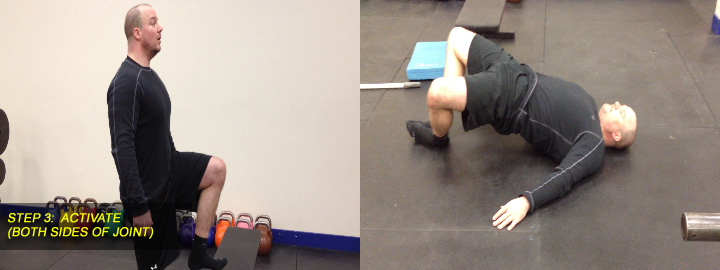
Spending more time on your pre-workout and post-training recovery means has never been more important. The newly defined roll of fascia as it applies to movement and strength training has revolutionized our program here at Diesel Strength. I hope this article provides you with more insight on the topic and encourages you to continue learning more about how integral the quality of the myofascia is to performance.


References:
Dalton E. et al. Dynamic Body. Freedom from Pain Institute. 2011.
Myers, T. Anatomy Trains. Elsevier Limited. 2009.
Schleip R. Fascial Plasticity: A new neurobiological explanation part 1. Journal of Bodywork and Movement Therapies 2003; 7(1): 11-19.


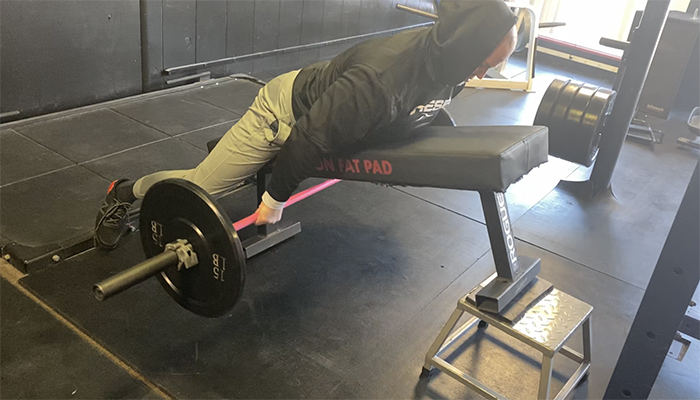
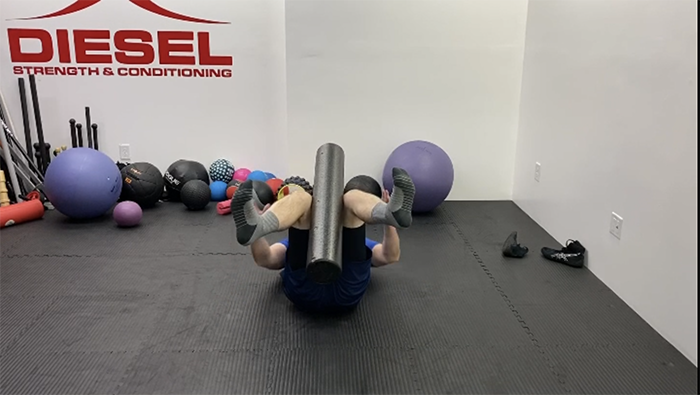
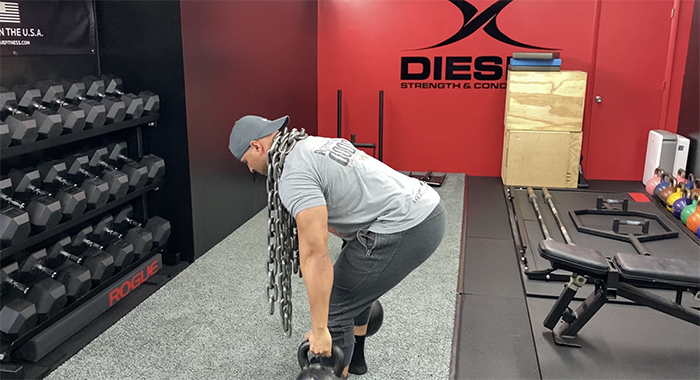
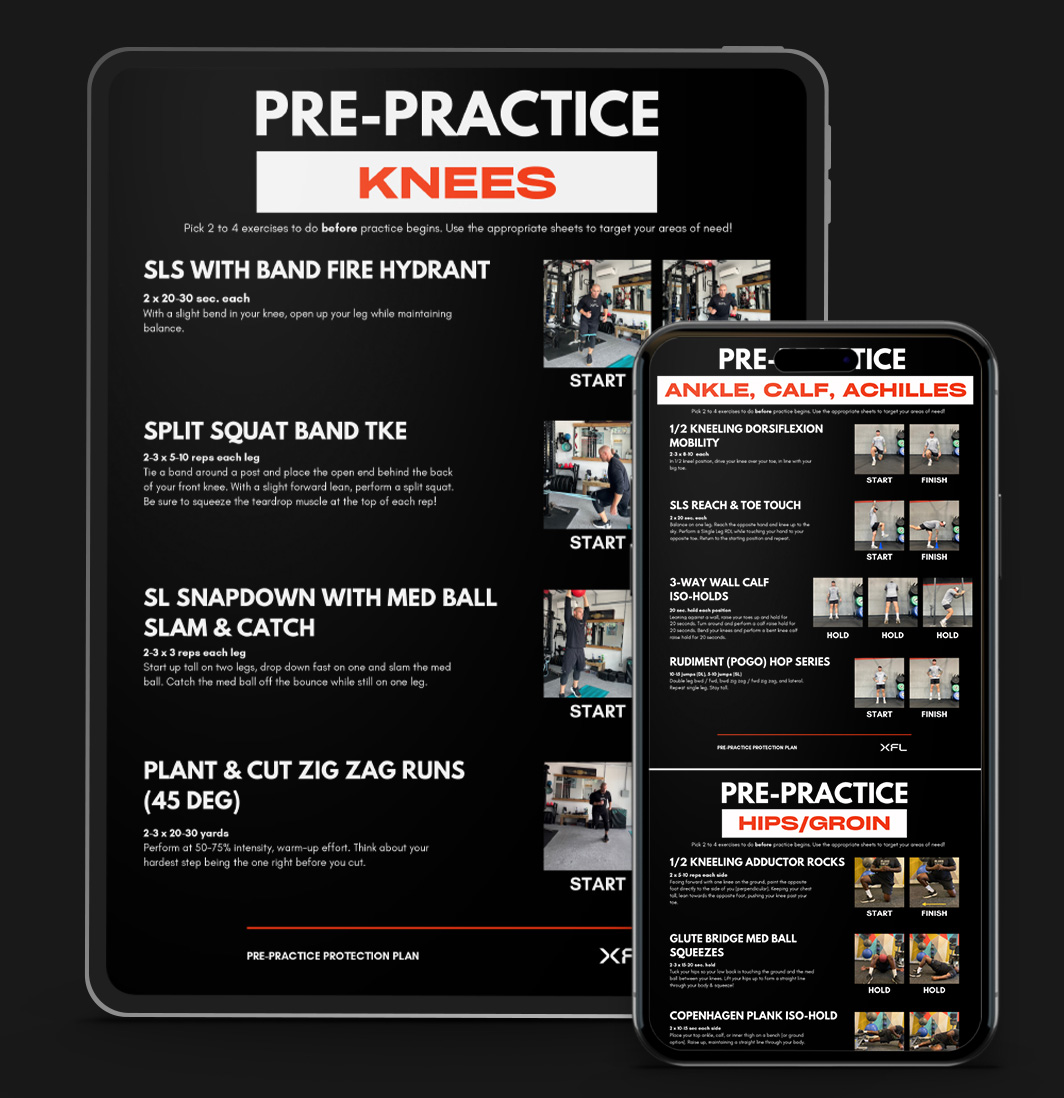
10X Your Workouts!
10X Your Workouts!
Revolutionize your warm-ups with the new innovative pre-training protection plans.
Used by professional athletes all over the world, these original routines will bulletproof your hips, low back, shoulders, ankles, knees, hamstrings, and more!